Source evidence
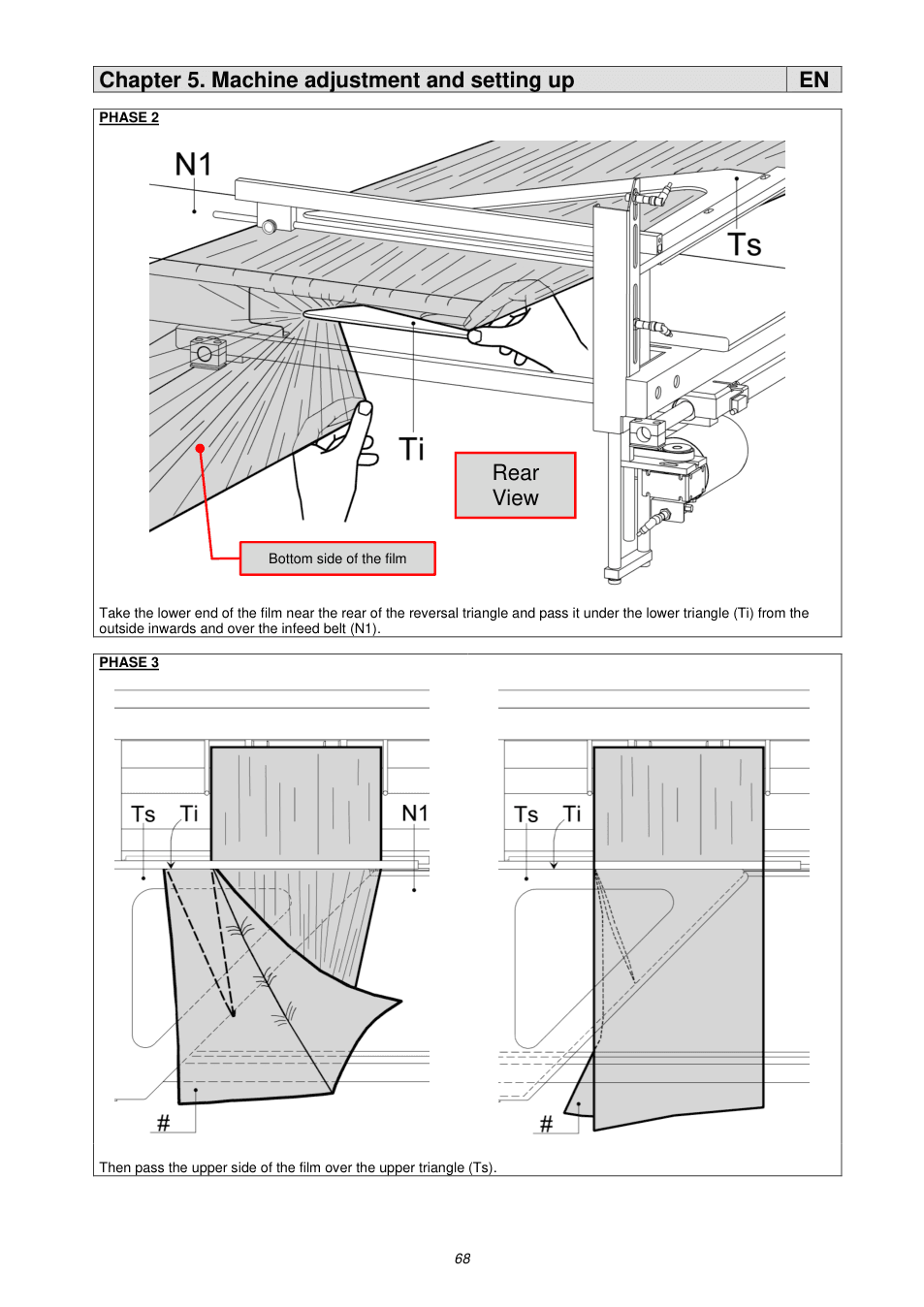
English source · PDF page 30
Selected evidence
Inspect source evidence, translation risks and layout integrity before a machinery manual is allowed to become a release artefact.
Upload any born-digital or scanned PDF. Minarai detects the source language, combines native geometry with multimodal OCR and layout understanding, produces a Japanese style-preserving review draft, and blocks unsafe release.
Verified production snapshot. The Minarai side below comes from live run 03362df5 using the uploaded source PDF, Claude Fable 5 translation and independent Gemini 3.1 Pro visual QA. The customer-supplied PDF remains available only as a provenance-neutral comparison.

The live run achieved complete text coverage, retained every protected identifier and passed independent visual QA on this page. Human terminology approval is still required.
reversal triangle · lower triangle (Ti) · infeed belt (N1)
反転三角板 · 下部三角板(Ti)· インフィードベルト(N1)
A machinery specialist should approve or revise the proposed terms before release.
The system routes each page by evidence quality, keeps every proposed translation linked to its source region, and prevents critical findings from becoming a downloadable artefact.
Hybrid document route selected
Native PDF text handles body copy; VLM-guided OCR is used only where wording is baked into diagram pixels.
Blocks and diagrams linked
Instructions, callouts, component identifiers and visual regions remain inspectable as evidence.
Japanese draft proposed
Translation remains proposed until terminology and safety semantics receive human approval.
Automated checks passed
Visual, semantic and protected-token checks passed; machinery terminology and source safety wording still require expert sign-off.